
Hey, new dentists! Just graduated and dreaming of your own clinic with your name on the sign?
That’s awesome! But hold up—don’t rush in. Many new grads make a huge mistake by skipping real-world experience, and it can cost you big money and stress. Let’s keep it simple: why working at a clinic first is a must, how to avoid wasting cash on fancy gear, and tips to start smart. A little patience now can save you massive headaches later.
Why Rushing to Open Your Clinic Can Backfire
Graduating feels great—no more teachers or bosses breathing down your neck. You’ve got skills from school, like filling cavities or pulling teeth. But running your own clinic? That’s a whole business game. If you skip working at an established clinic first, you miss out on key stuff like:
Managing staff schedules and day-to-day operations
Handling interactions with patients, staff, and stakeholders effectively.
Getting patients through targeted ads and strategies
- How to track money coming in and going out.
Without this experience, you’re just guessing, and that can lead to trouble. Not checking your clinic’s finances regularly can leave you broke out of nowhere. While it’s rare for clinics to shut down completely (less than 1%), many barely make enough to pay bills, stuck in debt for years. The World Health Organization (WHO) points out that new dental grads globally often lack business skills, leading to low profits in early years. A Saudi Arabian study found 63.9% of dental students expect major challenges starting a private clinic due to financial and management gaps. The FDI World Dental Federation says the dental market grows at 4.5% yearly, but new clinics struggle with high costs, often earning under 1,800,000 PKR a year at first. It’s like learning to drive—you wouldn’t hit a busy road after only practicing in a simulator. Working at a clinic first teaches you the business without risking your own cash.
The Big Equipment Mistake: Don’t Buy Flashy Gear
Here’s where new dentists mess up big time. You might want to buy super fancy equipment because it looks cool and professional. Imagine a dental chair with extras like pain alarms (even though you can see if a patient’s uncomfortable), scented air machines, massage features, colorful lights, or TVs for patients to watch during cleanings. Sounds awesome, right?
But when you’re swamped with patients, you won’t use those extras. You’re too busy working to bother with lights or videos. Buying stuff you don’t need wastes money that takes years to pay off, leaving your clinic in the red. The International Association for Dental Research (IADR) warns that overspending on non-essential tech is a top reason for startup losses worldwide, with up to 20% of budgets wasted on unused features. Stick to what you really need to do great dental work.
Money Smarts: Buy Wisely
Ever heard of a Bill of Materials (BOM)? It’s a list businesses use to track every cost of buying or making something. The trick is simple: save money by buying smart, not just charging high prices. Overspending on a fancy chair means you’re losing money from day one. Many pricey brands are made in the same factories as cheaper ones—they’re just as good but cost less.
A guide on avoiding financial pitfalls highlights that young dentists often misjudge practice value and overspend on setups, delaying profitability. It’s reminiscent of the iconic scene from the Bollywood movie Chup Chup Ke, where the character exclaims, “35 Lakh ka tou Hamara investment tha, 36 lakh ka Ghata kaise ho gaya”
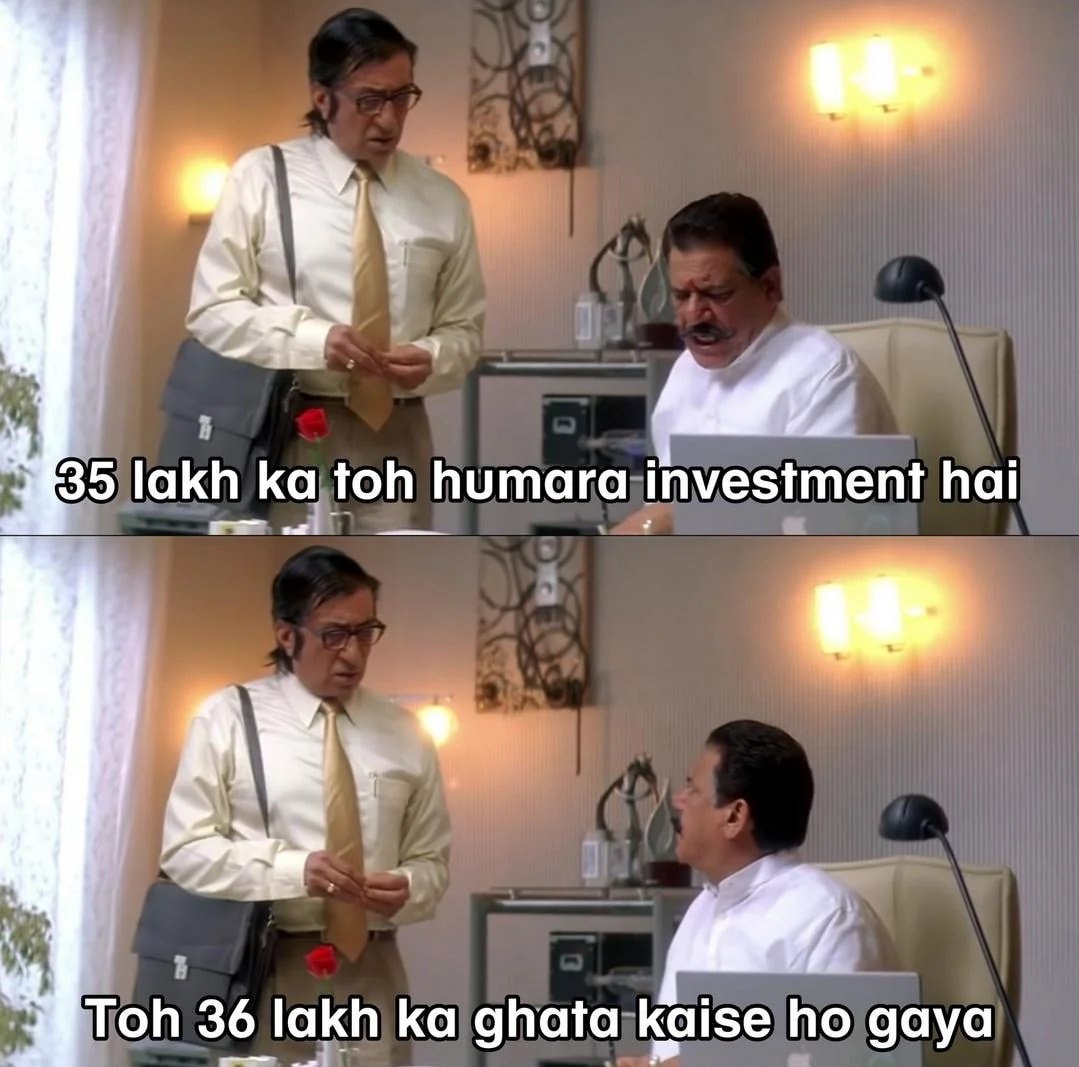
Small spending mistakes can quickly spiral into big losses.
For example, a 1,400,000 PKR chair with all the bells and whistles might seem appealing, but a reliable 500,000 PKR chair performs just as well. The 900,000 PKR saved could be invested in clinic aesthetics, useful equipment like an apex locator, endomotor, or electric implant motor, or even an intra-oral scanner, which can significantly enhance your practice quality. Stories of failed clinics often blame bad budgeting, like not planning for equipment costs. The European Federation of Periodontology notes that new practices in Europe have profit margins as low as 30% in year one due to poor cost control, compared to 40% for experienced owners.
Real Stories and Shocking Facts
Dentists online share real stories of clinics struggling due to poor management or no experience. While few clinics fail completely, many make tiny profits, like only 1,500,000 PKR a year—not the dream job you pictured. The top mistake? Not keeping a close eye on finances. A 2025 BMC Medical Education review on global dental education says inadequate business training causes high stress and financial strain for new grads from the US to Asia. Grand View Research’s 2025 global dental services report predicts the market will hit $610 billion by 2030, but startups must manage rising costs to succeed.
How to Start Your Clinic the Right Way
Want to nail it? Here’s the plan:
- Get Experience First: Work at a busy private clinic for 6-12 months. Watch how they deal with suppliers, control costs, and keep patients happy.
- Plan Your Budget: Use a startup checklist. Talk to an accountant, track taxes, and compare prices for everything.
- Buy Only What You Need: Get reliable basics like cleaning tools and drills, not luxury extras.
- Ask for Help: Talk to experienced dentists, check what your area needs, and find good funding options.
Success comes from great patient care and smart money moves, not the flashiest office.
Final Thoughts
New dentists, don’t jump into your own clinic without business know-how—it’s like doing a dental procedure without prep. Work at a clinic first, spend wisely, and you’ll build a thriving practice. Successful clinic that makes you smile!